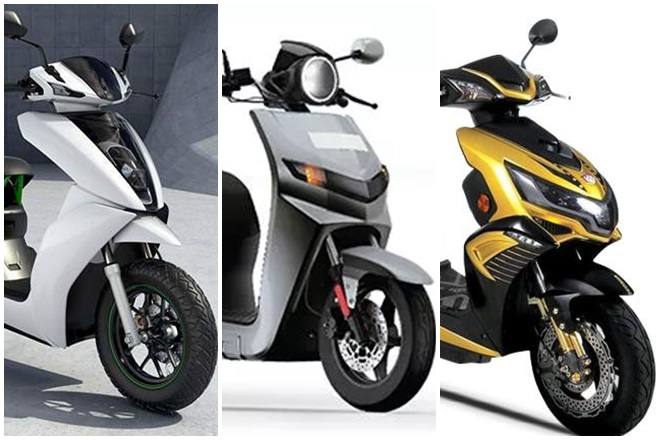
The alarming rise in price of fossil fuels, like petrol and diesel, has lighted the path for electric bikes and scooters in India. Multiple automobile companies have grabbed on to this opportunity and launched an electric scooter in the Indian market. But, are we prepared for having electric bikes and scooters run in the streets of India? Or, do electric bikes have a future in India?
The recent increase in international prices in petrol and diesel had a very sharp impact on the Indian economy. Even though, the hike in prices was short termed, it provided a clear vision that depending on fossil fuels any longer would result in major problems.
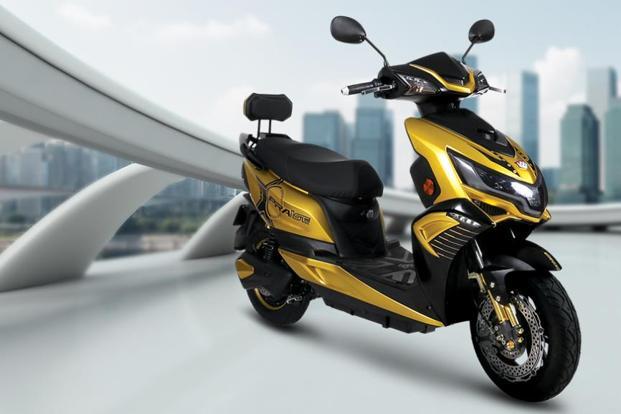
Okinawa Autotech’s Praise, second electric scooter in India.
We need an alternate source of energy. The high price of petrol and diesel directly effected the transportation system in India. This resulted in an over all inflation that impacted the Indian economy. To prevent any such situation in the near future, multiple multinational companies launched their electric bikes.
The electric bikes and scooters are very beneficial overall. They run on electricity which means that no consumption of fossil fuels occur. They provide good mileage and don’t cause any sort of pollution. It takes around 6 hours to fully charge the battery which doesn’t require charging even after long distances of travel. It is light in weight and easy to handle. On top of all these features, the prices of such electric bikes and scooters is lower than the bikes and scooters that run on petrol.
Today, there are around 15 different electric scooters available in India that are launched by four different companies namely Hero electronic bikes pvt. ltd., Okinawa autotech, Avan motors and Indus YO. With all these multiple companies providing their services, Is India capable of handling the needs of running electric scooters and bikes?
The biggest issue for electric bikes is : charging. Electric bikes need to be recharged for use. In India, electric plugin charging spots are very less in number and are scattered at large distances from each other. This restricts the use of electric bikes for long-distance travels.

Moreover, the speed provided by the electric bikes is comparatively slow for the speedy lifestyle of Indian people. The max speed of the electric bikes is not more than 25 kmph which is really slow. This means that it cannot be implemented at places where fast travelling is required. These restrictions prevent the growth of electric bikes and scooters in India.
Even after lacking the basic necessities, electric bikes have a bright future in India. The urgent need of use of alternative energy source has made it a must for development of electric bikes and scooters. The continuous development and innovations in the features of electric bikes will soon make them able to compete with the petrol bikes which currently have an upper hand.
We look forward to a much cleaner and clear future of electric bikes in India.

